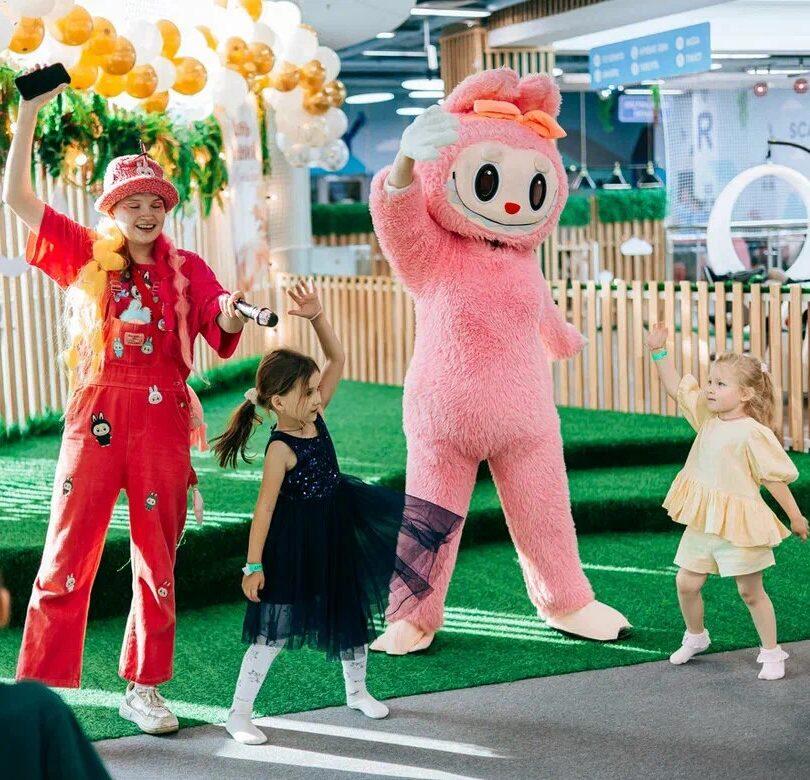
Mascot performances can create exciting and memorable interactions, but wearing a full costume is different from wearing ordinary clothing. Limited visibility, additional weight, warm temperatures, and crowded spaces require proper preparation.
Here are several important safety tips for mascot performers and event organizers.
1. Use a Trained Assistant
Whenever possible, the performer should have an assistant or handler.
The assistant can:
- Guide the mascot through crowded areas
- Watch for steps, cables, doors, and obstacles
- Communicate with guests
- Help the performer enter and remove the costume
- Respond quickly if the performer feels uncomfortable
This is especially important at large events and locations with children.
2. Check Visibility Before Performing
Before entering the event area, the performer should identify the viewing mesh and check the field of vision.
Practice walking, turning, waving, and approaching people while wearing the costume. Avoid running unless the costume and environment are specifically suitable for it.
3. Stay Hydrated
Mascot performers may become warm quickly, particularly during outdoor events or energetic performances.
Drink water before wearing the costume and take regular hydration breaks. Avoid waiting until dizziness or extreme fatigue occurs.
4. Schedule Regular Breaks
Performance time should depend on temperature, costume construction, movement intensity, and the performer’s condition.
Short performance sessions with planned breaks are generally safer and often produce better interactions than one long, exhausting session.
5. Inspect the Costume
Before each event, check the costume for:
- Loose internal straps
- Damaged viewing mesh
- Unstable head structures
- Worn shoe soles
- Loose accessories
- Fan or battery problems
The performer should be able to enter and exit the costume without difficulty.
6. Adapt to the Environment
Outdoor heat, rain, uneven ground, stairs, low ceilings, and crowded rooms can all affect performance safety.
Inspect the event location in advance and decide where the performer can rest privately, remove the head, and drink water.
7. Use Clear Emergency Signals
Because speaking may be difficult inside the costume, the performer and assistant should agree on simple hand signals before the event.
For example, one signal may mean “I need a break,” while another may mean “Help me remove the costume.”
Conclusion
A successful mascot appearance depends not only on an attractive costume but also on safe preparation and responsible performance management.
Planning visibility, hydration, breaks, assistance, and movement allows the performer to interact with the audience more confidently.
Looking for a custom mascot costume for an upcoming event? Visit mascotnova.com and share your character, logo, or creative idea with us.