
9:00 AM - 7:00 PM
Suggested slug: custom-mascot-costume-order-checklist
Meta description: Check the design, sizing, materials, included components, approval stages and shipping details before placing your custom mascot costume order.
Illustrative ordering checklist; final requirements should be recorded in your quotation.
Ordering a custom mascot costume involves more than choosing a character and accepting a price. The finished product combines a design, a fit, a construction approach and a delivery plan. If these details are left unclear, even a promising concept can lead to unnecessary revisions.
Before paying a deposit, use the following checklist to make sure you and the supplier are discussing the same costume. It is intended to support a clear conversation, not to replace the written terms of your order.
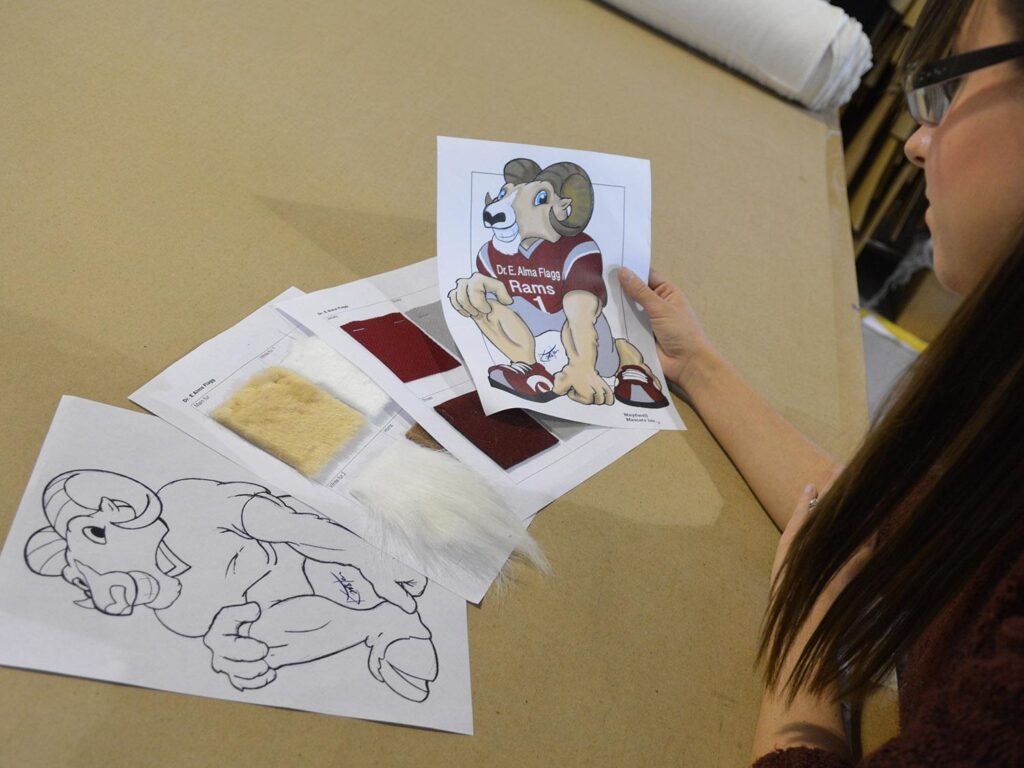
Keep one final reference version that shows the selected colors, expression and accessories. Label any essential features, such as a hat shape, logo position or unusual shoe design.
If the reference only shows the front, clarify how the sides and back will look. Do not assume everyone imagines the same rear design. Concept renders can help explain the direction, but confirm which details are still provisional and which have been approved.
List any expected differences between the illustration and the wearable version. Large accessories, exaggerated proportions and very thin shapes may require discussion before the build is agreed.
Provide the intended wearer’s height and approximate weight. If multiple people will wear the costume, supply their size range and ask whether additional measurements are needed. Special proportions may require more information than a standard height and weight alone.
Separate the wearer’s height from the mascot’s total height. A tall hat, horns or ears may increase the overall dimensions. Ask about width as well if the costume must pass through a particular doorway or fit inside a changing area.
Discuss head fit, glove use and footwear arrangements instead of assuming one measurement describes the whole costume.
Ask which materials will be used for the structure, covering and interior components. Material names alone do not describe thickness, assembly or the finish of the complete build, so request an explanation that relates to your design.
Confirm colors and logo application. If a physical sample is necessary for your approval, discuss its availability, cost and timing before making it part of the schedule. A photographed sample can support a discussion, but lighting and screens can change its apparent color.
Specify what “durable” means for your use: repeated school appearances, occasional trade shows or another setting. That is more useful than asking for an unspecified premium material.
Ask where the performer sees out, where ventilation openings are placed and whether a fan is included or optional. If a fan is supplied, clarify its power arrangement, access and care instructions.
Discuss how the head is supported and removed. Request an appropriate fitting demonstration when available. Attractive eyes and a smile matter, but the internal arrangement deserves review too.
Do not treat a fan as a promise that the costume will remain comfortable in all conditions. Appearance planning and performer breaks still need attention.
Make a complete list: head, body, gloves, shoes, clothing and any removable accessories. If the character carries a prop, check whether it is included. Also clarify packaging and any storage accessory mentioned in the offer.
Ask whether optional items are priced separately. Two quotes can have different totals because they describe different scopes, not because one supplier offers the same build more cheaply.
Keep quantities explicit, especially for repeat orders or several characters. One design made in three copies is different from three separate designs.
Ask when design approval happens and which production updates will be available. Confirm how changes are handled once materials have been cut or structural components have been built.
Collect feedback in one clear message and refer to the latest image version. Distinguish between correcting a detail that differs from the agreed specification and requesting a new feature. These may affect timing and cost differently.
Before dispatch, review the agreed final photographs or video. Save the approved specification and communications together so there is a clear record of the order.
Provide the delivery city, postcode and the date by which you need the costume. Confirm the production estimate separately from the transport estimate. Ask what information is needed to finalize the shipping quote and how packaging dimensions may influence it.
Read the offer to see whether shipping is included and how any destination charges are treated. Clarify uncertainty before ordering rather than assuming the quoted costume price covers every delivery-related cost.
Allow time to receive, inspect and try the costume before its first public appearance. A schedule based only on the event date leaves little room to address questions after arrival.
Request instructions specific to the finished materials. Check which pieces can be removed, cleaned or replaced, and how shaped parts should be stored. Care guidance for a fabric body may differ from guidance for the head or shoes.
Ask how to report a concern after delivery, what information the supplier needs and which support terms apply. Keep these details with the order records rather than relying on a vague promise of “full after-sales service.”
What should I send for an initial quote? A reference image, quantity and delivery city/postcode are a useful start. Include performer measurements, intended use and the required arrival date if known.
Should I approve every small detail before asking for a price? You can ask for an initial estimate first. A final quotation should clearly identify the agreed scope and any assumptions.
Can the design still change later? Discuss the change process with the supplier. Revisions after production begins may affect cost and schedule.
Send us your character image, quantity, wearer measurements and delivery details. Tell us which features matter most, and we can discuss the remaining specifications before preparing your quotation.
© 2026 MascotBuild. All Rights Reserved. | Privacy Policy
Contact Email: info@lumeomllc.com