Working Hours
9:00 AM - 7:00 PM
Give Your Mascot a Job: Planning the Moments Between Photos
SEO title: Mascot Event Planning: Activities Beyond Photo Opportunities
Slug: mascot-event-activities-beyond-photos
Meta description: Plan a clear role for your event mascot, from welcoming guests to simple games, with practical ideas for movement, handlers and costume design.
Primary keyword: mascot event activities
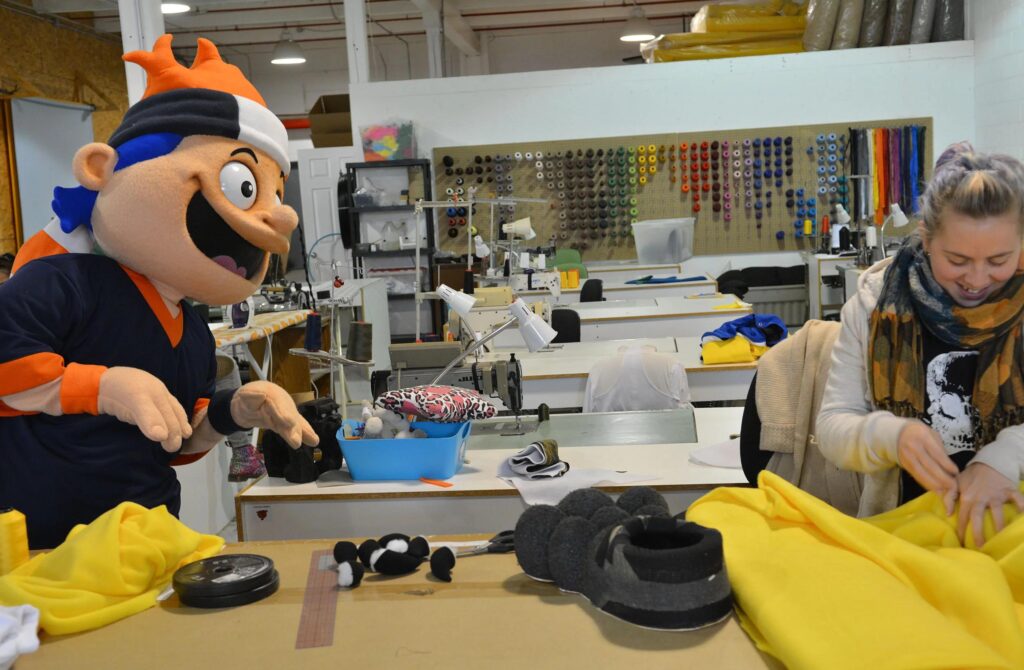
The costume arrives, the performer puts it on, and the first guests take photographs. Then there is a quiet moment. Where should the mascot stand? Should it follow visitors, dance, hand out something or wait for another photo?
These questions are easier to answer before the event. A mascot can have a beautiful design and still feel underused if nobody has planned its role. Giving it a small, clear job creates a starting point for the performer, the staff and the people meeting the character.
That job does not need to be complicated. Welcoming guests, celebrating a small achievement or inviting families to a photo area may be enough. The aim is to make the character’s presence understandable, rather than filling every minute with movement.
Choose a role before choosing a routine
Start by asking what you want guests to do when they see the mascot. Do you want them to enter a space, stop at an activity, take a photograph or join a short celebration? Choose one main action for each appearance.
A welcome mascot can wave near the entrance while a staff member answers questions. A celebration mascot can appear when a group finishes a game. A roaming character can move between designated photo points with a handler.
These roles need different layouts. An entrance appearance needs room for people to pass without blocking a door. A game appearance needs a clear space where visitors can see the activity. A roaming appearance needs a route that accounts for steps, narrow passages and changes in floor surface.
Write the role in a sentence that the performer can remember. “Welcome guests and direct interested families to the photo area with the handler” is much easier to act on than “create excitement throughout the venue.”
Design a simple beginning, middle and ending
A short interaction can have a clear sequence. The mascot notices the guest and waves. The guest chooses a pose or joins a simple action. The mascot offers a farewell gesture, and the handler helps the next group approach.
The beginning gives people permission to engage. The middle gives them something to do. The ending helps the interaction finish naturally, particularly when others are waiting.
For a photo area, that sequence might be: wave, point toward a marked standing position, offer a choice between a friendly pose and a celebration pose, then wave goodbye. The handler can describe the choices verbally, so the mascot does not need to communicate everything through gestures.
Avoid creating a routine that depends on a guest responding in one exact way. Some visitors will be enthusiastic, some shy and some uninterested. A usable routine leaves room for all three.
Build a small library of comfortable gestures
Choose a few actions that the finished costume can perform clearly. Examples include a wave, a thumbs-up if the glove shape allows it, an open-arm greeting, a gentle celebratory fist pump or a slow turn toward a camera.
Try the actions during a fitting or rehearsal. Large gloves can hide finger gestures. A wide head can change how a turn looks. A layered outfit may need more space around it than expected.
Select the actions that look clear and feel manageable for the performer. A repeated simple gesture is preferable to a complicated move that requires guessing where the costume’s edges are. If a movement feels awkward, adjust the routine or discuss the costume fit rather than forcing it into the performance.
Use the handler as part of the guest experience
A handler gives the mascot practical support and helps visitors understand what is happening. They can explain the activity, manage the photo queue, watch the surrounding space and guide the performer along the agreed route.
For example, a guest might ask the mascot where registration is located. The handler can answer while the character points in the appropriate direction. The character remains expressive without needing the performer to speak through the head.
Agree on a simple signal for stopping the appearance or returning to the break area. The exact signal should be chosen by the event team and rehearsed before guests arrive. Do not rely on the performer being able to hear every instruction in a busy room.
Plan activities that suit the costume
A mascot can participate in an activity without handling delicate objects or moving quickly. A “copy my pose” moment can work with three rehearsed gestures. A celebration station can let the character applaud participants after a game. A color hunt can have the handler explain the instructions while the mascot reacts to what guests find.
Consider a hypothetical shopping-center family day. Instead of having the mascot wander without a destination, the team schedules appearances beside an activity table. The handler invites visitors to choose a pose card, and the mascot demonstrates it for a photo. The task is clear, the props stay with the handler, and the interaction is easy to repeat.
The same principle can apply to a school celebration or a business opening. Choose an activity that fits the venue and audience, then check whether the costume supports the required movements.
Let guests choose their distance
An interaction should begin with an invitation. Some people will approach immediately. Others may prefer watching from farther away, especially when the character is much larger than they expected.
The mascot can wave from its position and allow the guest to move closer. The handler can offer a photograph from a comfortable distance. If someone turns away or declines, the character can acknowledge that and move on.
This also gives the performer a clearer job. They are welcoming people, rather than trying to obtain a reaction from everyone. Staff should understand that participation is optional and should avoid pushing hesitant visitors into a photograph.
Give the appearance a practical schedule
Plan the order of appearances, access to a private break area and who will help with dressing. Appearance duration and breaks should reflect the performer, costume, environment and actual conditions. An indoor air-conditioned venue and an outdoor summer event should not automatically use the same schedule.
Include time for moving between the changing area and the public space. Also decide where the mascot will enter and leave. An orderly exit is part of the experience; it prevents the performer from needing to improvise a route through a crowd.
Any installed head fan is an accessory, not a reason to ignore the performer’s comfort or extend an appearance beyond what is appropriate. The team should be ready to stop when needed.
Brief the production team on the planned job
The intended routine can influence the costume specification. Repeated waving makes arm movement important. Frequent turning makes head stability and clear vision important. A standing photo role places attention on the front view, while a roaming role also needs a convincing side and back view.
Send a short description of the activities with your reference images. Ask to review the relevant movements in the final costume video. This gives you evidence about the actions you actually plan to use, rather than only seeing the costume standing still.
Finish with a debrief that helps the next event
After the event, ask the performer and handler which interactions felt clear, where guests hesitated and which locations were difficult to navigate. Review your photographs for the poses that showed the character best.
Use those observations to revise the next appearance. You may need a different photo position, fewer props or a shorter route. Changes to the routine can be useful even when the costume itself needs no adjustment.
A memorable mascot appearance starts with a clear role and a comfortable interaction. Give the character a job, rehearse the essential actions and make it easy for guests to participate on their own terms.
Planning a mascot for a school, store or event business? Tell us how you want the character to interact with guests, and send your design idea for a custom costume quote.