
9:00 AM - 7:00 PM
SEO Title: Beyond Appearance: What Makes a Mascot Costume Easier to Wear?
Meta Description: Explore the practical details behind wearable mascot costumes, including head fit, visibility, ventilation, dressing, movement, and accessory support.
When comparing mascot costumes online, most buyers begin with appearance.
They look at the face, colors, clothing, and overall shape. These details matter because the costume must represent the character well.
But a product photo cannot tell you everything.
It does not show how the head sits on the performer, how clearly the performer can see, or how long it takes to put on the costume. It may not reveal whether a tail pulls backward or whether the gloves allow useful movement.
These practical details influence how the mascot performs at an event.
Before choosing a costume, it helps to ask how the design will work for the person wearing it.
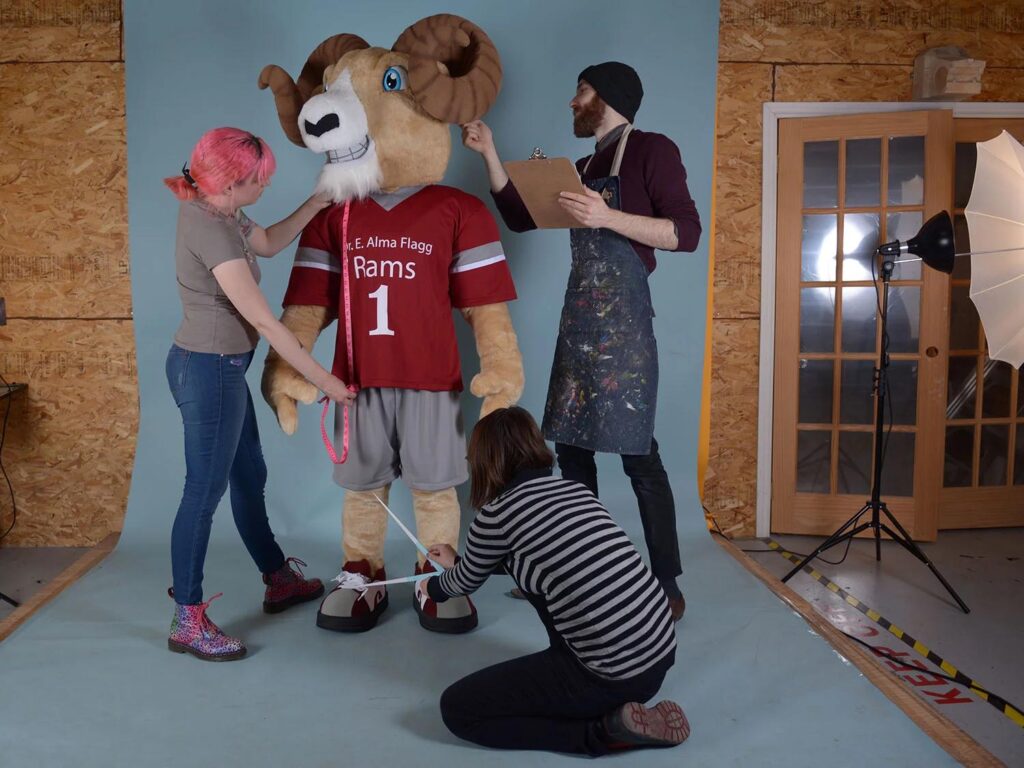
“Adult size” is a useful general description, but it is not a complete sizing specification.
People of similar height can have different shoulder widths, body shapes, and proportions. A costume that fits one performer well may sit differently on another.
The maker should know the intended wearer’s height and weight. Depending on the design, additional measurements may be helpful.
If several people will share the costume, explain that before production. A shared costume may need a practical size range or adjustable components.
The goal is to provide enough room for movement while keeping the character’s shape consistent.
Too little space can restrict the performer. Too much space may allow parts to shift or make the costume look unbalanced.
A mascot head may look perfect while resting on a table. Wearing it introduces another set of requirements.
The performer needs the head to remain positioned during walking, turning, and posing. If it shifts too much, the viewing area can move away from the performer’s eyes.
Internal support and fit therefore deserve attention.
Ask how the head will be supported and whether any adjustment is available. The appropriate approach depends on the head’s shape, size, and construction.
Stability should be checked during a wearing test, not only by inspecting the head from the outside.
A useful video shows the performer looking forward, turning slowly, and making a few ordinary event gestures.
The character’s decorative eyes are not always the performer’s viewing point.
Visibility may be provided through a concealed mesh area, the mouth, or another part of the face. The exact location depends on the design.
This affects how the performer positions the head and notices nearby objects.
Ask the maker to explain the viewing area. During the fitting test, check whether it aligns with the intended wearer.
It is also useful to discuss the event environment. A mascot walking around an open stage has different practical needs from one greeting visitors in a narrow, crowded shop.
For some settings, an assistant can help the performer move through the space and interact with visitors.
A small fan can be a useful addition to a mascot head, but ventilation involves more than installing a fan.
The design needs a suitable path for air movement. Interior space, ventilation openings, fabric coverage, and the performer’s activity all influence the wearing experience.
Ask whether a fan is available, how it is powered, and how the power source can be accessed.
A fan does not replace sensible breaks or event planning. The performer’s experience will also depend on temperature, movement, and how long the costume is worn.
Avoid judging ventilation only from the outside. A head can look airy without providing a useful airflow path, while carefully concealed openings may be difficult to notice in photographs.
Buyers often ask, “How heavy is the costume?”
That is a good question, but where the weight is carried also matters.
A heavy head places weight differently from a padded body. A large tail may pull away from the waist. A bulky hand-held prop adds a separate load.
Two costumes with similar total weight can therefore feel different when worn.
Discuss large or unusual features before production. Ask how a tail, wing, hat, or other accessory will be supported.
Simplifying an accessory or changing its construction may make the costume easier to use while preserving the character’s identity.
The first event is a poor time to discover that nobody knows how to assemble the costume.
Ask about the dressing order and whether assistance is needed.
A costume may involve a body suit, separate clothing, shoe covers, gloves, a head, and accessories. Understanding the sequence helps prevent unnecessary handling and last-minute confusion.
Fasteners should also be considered. Their placement can affect how easy it is to reach them while partially dressed.
If the mascot will be used frequently, request a short dressing demonstration. A simple video can be more useful than several product photos.
A costume does not need to support every possible movement. It should support the activities planned for it.
For a school mascot, that may include walking, waving, and group photos. For a promotional character, it may include greeting visitors or holding a lightweight sign.
Make a short list of required actions and share it with the maker.
During the wearing test, try those actions in the costume. Check whether clothing, gloves, and accessories remain positioned and whether the performer can move without unnecessary restriction.
Do not assume that an action shown in a drawing will be equally practical in the finished costume.
Different photos and videos answer different questions.
A front photo helps you review the expression. A side photo shows the proportions. An interior image can show the head support. A wearing video helps demonstrate fit and movement.
Request the evidence relevant to your concerns rather than asking only for “more pictures.”
Appearance and wearability both deserve attention. A costume should look like the character and give the performer a practical way to bring that character to life.
Tell us your character design, the wearer’s height and weight, and how the costume will be used. We can review the requirements with our production team and prepare a quotation.
© 2026 MascotBuild. All Rights Reserved. | Privacy Policy
Contact Email: info@lumeomllc.com