
9:00 AM - 7:00 PM
Suggested slug: plan-mascot-appearance-brand-event
Meta description: Build a practical mascot event plan with a clear role, photo location, performer routine and follow-up message that connects the character to your brand.
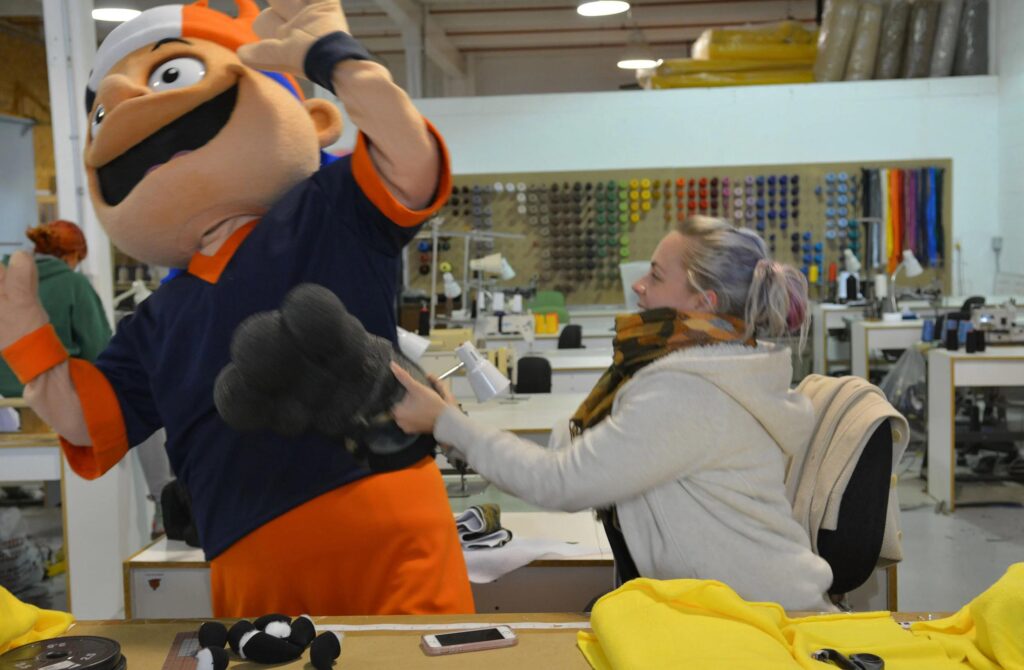
Illustrative event concept, not a photograph of a completed customer project.
A colorful mascot can become a natural focal point at an event. But a character standing beside a booth does not automatically communicate what your business offers. To make the appearance useful, plan how the mascot fits into the visitor experience: what it does, where it stands and how your team follows up.
The goal is to create an enjoyable interaction that also makes sense for the brand. That requires a simple plan before the costume arrives.
Choose the main purpose of the appearance. It might welcome guests, support a product launch, guide visitors to a photo area or help create short social media clips. Trying to do everything at once can produce an unfocused routine.
For a trade show, the mascot could wave near the booth while a staff member answers questions. At a store opening, it could appear during scheduled photo sessions. For a school community event, it could support a welcome activity. Each situation calls for a different costume and performance brief.
Write the role in one sentence. For example: “Our mascot will greet visitors at the photo area while staff explain the new product.” This makes responsibilities easier to assign.
Use recognizable brand colors or an approved character rather than treating the mascot as an unrelated attraction. A scarf, shirt or readable logo may help create that connection, depending on the design.
Keep the visual message simple. Visitors may see the costume briefly or photograph it on a phone. Small printed details can disappear, while a strong silhouette and clear color pattern are easier to notice.
If the mascot represents a product, identify which features matter. A packaging character might depend on its outline and color blocks more than tiny text printed on the original package.
Choose a location with space for the mascot, visitors and the person taking the photo. Check the background, lighting and routes through the venue. A clean backdrop helps keep the character visible and prevents unnecessary visual clutter.
Avoid using the photo area as a storage corner for bags and boxes. Decide where visitors wait and keep entrances and walkways clear. Ask your helper to guide each interaction so the performer does not have to manage the queue from inside the costume.
Create two or three simple poses in advance: waving, a thumbs-up or standing beside the visitor. The appropriate gestures depend on the glove shape and range of movement of the finished costume.
The helper should know the appearance schedule, changing location and route to the photo area. They can guide the performer, communicate with guests and notice problems that may be difficult to see from inside the head.
Check movement, visibility and the dressing routine before the public appearance. If the costume has a fan, confirm its operation and follow the supplied instructions. Do not assume that a fan removes the need for breaks or makes every environment suitable.
Plan appearances around the venue conditions and the performer’s needs. Build in time for changing, inspection and rest rather than scheduling continuous activity without a practical routine.
For a business event, a photo can open a conversation, but the staff should explain what happens next. Perhaps visitors can see a product demonstration, visit the booth or scan a clearly placed link to learn more.
Use one relevant action instead of several competing requests. For example, a product-launch photo area might direct guests to the product display. A community event could encourage visitors to find the schedule at the information desk.
The mascot does not need to speak or carry the full sales message. Staff and signage can supply the details while the character supports the atmosphere.
Plan a few shots before the crowd arrives: a full-body view, a close-up of the face and a short wave. During the event, capture interactions according to the organizer’s photography rules and with appropriate permission from the people involved.
Keep content specific to what happened. A clip of a welcome moment can be captioned as a welcome moment; it should not be used to claim a measured improvement in sales or attendance without evidence.
Record practical observations: Was the photo area easy to find? Did the character’s logo show clearly? Which movements were easy or difficult? Did staff have enough time for changing and inspection?
You can also track relevant business outcomes, such as inquiries received at the booth, but avoid attributing every result to the mascot alone. The offer, audience, staff and event placement all contribute.
Should the mascot dance? Only if the costume and performer are suited to the planned movements. A friendly wave and clear pose may be enough for a photo area.
Do we need an assistant? A helper is a practical part of planning visitor interactions and guiding a performer with restricted visibility.
Can one costume support different events? Often the same character can appear in several settings. Discuss any changes in accessories and use before ordering.
Share the character artwork, event type, intended movements and arrival deadline. With your quantity and delivery city/postcode, we can discuss a costume brief and prepare a quotation.
© 2026 MascotBuild. All Rights Reserved. | Privacy Policy
Contact Email: info@lumeomllc.com